
Training for Dynos
by dynobryno
Intro
I’ve always been a dynamic climber. I actually started my climbing journey while training for Ninja Warrior, which didn’t last very long after my first outdoor bouldering trip in 2015. On that trip, I did my first V5, Trailer Hitch at Stone Fort. I was hooked. I proceeded to also dyno to my first V8, V9, and V11. All of these came before I ever even considered training for dynos. 2023 was my first season in Rocklands. I thought it would be my only trip, but wow, I was wrong. I’m sitting here (with sore legs) a month out from my fourth consecutive trip to the dyno capital of the world, Rocklands!
When I first made a trip to Rocklands, I had an incredible amount of psych and a little bit of talent. My first day, I dynoed a V9, V10, and V11. I was elated. Addicted to that feeling of holding the swing. I wanted more. The skill component of dynoing started to come in during my first two seasons. I started putting them down one by one, but I was always limited by my strength. My third season was different; I did almost every dyno I tried, and one thing had changed: my legs!
I’d like to disclose that I am not a professional trainer. I am only an obsessed dynoer trying to constantly push my limits in this niche discipline of bouldering. Most of what I know about training for dynos comes from none other than Mattias. He’s most likely the best dynoer in the world and has put up more than anyone else ever has. He can properly train you to dyno like a rocket. Just send him a message or contact me, and I’ll put you in touch.
Strengh vs Power
I think it’s very important to understand the difference between strength and power. Simply put, strength is how much you can move, power is how fast you can move it. For dynos you need power, but to have power, you first need strength.
Depending on how much time you have, you can build strength and then convert it to power. However, your legs are most likely pretty weak and undertrained. I say that with no intended offense. Most climbers have never trained their legs, which means you have a lot to gain in a very short timeline. I suggest focusing on doing heavy loads while still keeping bar speed high.
I’m going to try to keep things simple in this article. Maybe I can go into a more complicated training structure in the future
Reps, Sets, and Rest
Generally speaking, rep ranges for building strength are typically 1-6. Rep ranges over 6 reps are typically considered more in the hypertrophy range, which is where you will see muscle mass (aka gain weight). Not to say you should avoid reps ranges over 6, I just don’t think I would make it the majority of your training plan.
For the main compound exercises, starting with 5 sets of 5 reps is really solid. For accessory work, 3 sets of 6-10 reps can also be fine. I’ll go over this in more detail with specific exercises.
Keep in mind that training volume and intensity need to be adjusted for each individual’s ability to combat fatigue. Putting double your bodyweight on a barbell for back squats will absolutely cook your CNS (central nervous system). Fatigue over time will inhibit your ability to recover, and you will also lack the intensity needed to get maximum gains.
Rest is one of the most important parts of strength training. I wouldn’t suggest training heavy legs more than once a week. If you are able to handle the intensity, twice a week is possible, but keep a close eye out for overtraining symptoms.
Exercises for Dynos
The following are some of my favorite exercises to do to train for dynos. This is far from an exhaustive list, but it’s a great place to start.
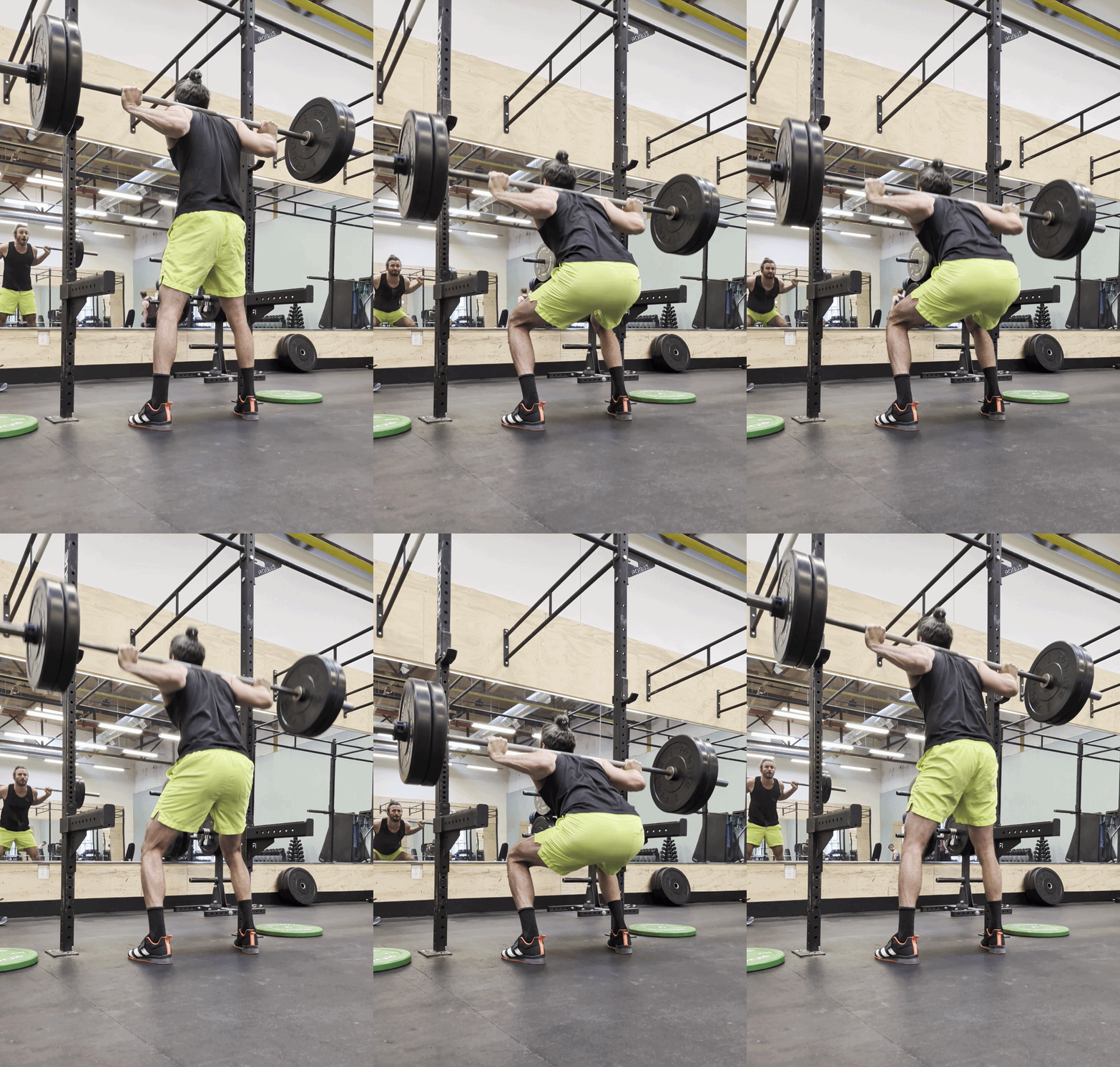
Back Squat
Back squats are arguably the best exercises you can do for leg heavy dynos. They will strengthen your quads, glutes, and hamstrings, as well as, your entire back and core. These can be exceptionally taxing on your posterior chain so don’t go too heavy too fast. Also don’t judge my depth, I have very limited ankle mobility from an injury. Ideally you can go ass to grass.
Here is a video on how to properly do back squats.
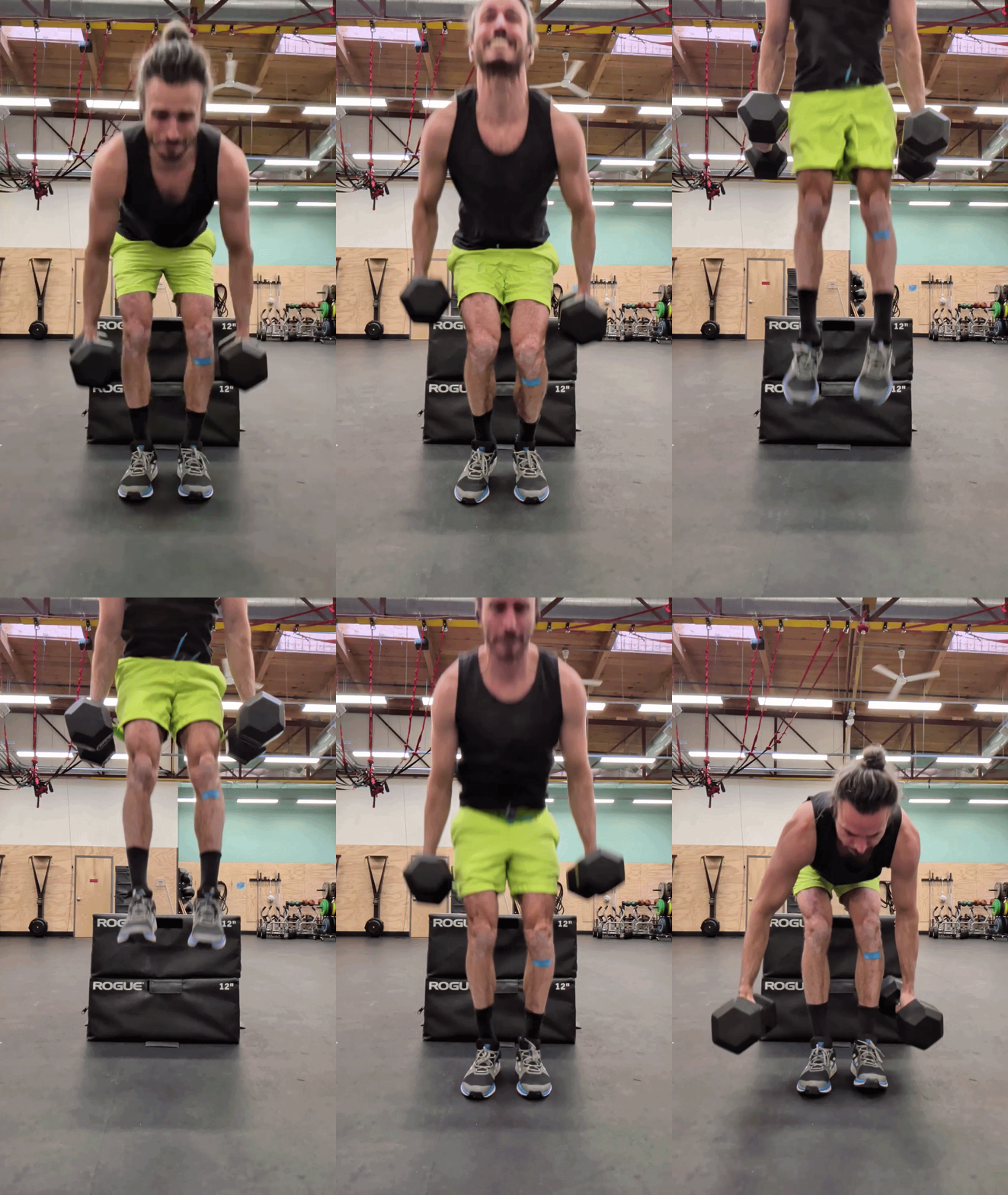
Weighted CMJs
Weights CMJs (Counter Movement Jumps) are a great way to develop a high rate of force production in your jump muscles. This exercise (and many other plyometrics) will help you convert all that strength into jumping power. You can use dumbbells, barbell on your back, or a trap bar to weight your jumps. Make sure to jump with full intensity each time. If you feel you are getting slower or fatigued it’s time to stop.
This exercise isn’t intended to be done with really high resistance. If you cannot jump atleast half your unweighted jump height you should probably drop down a bit.
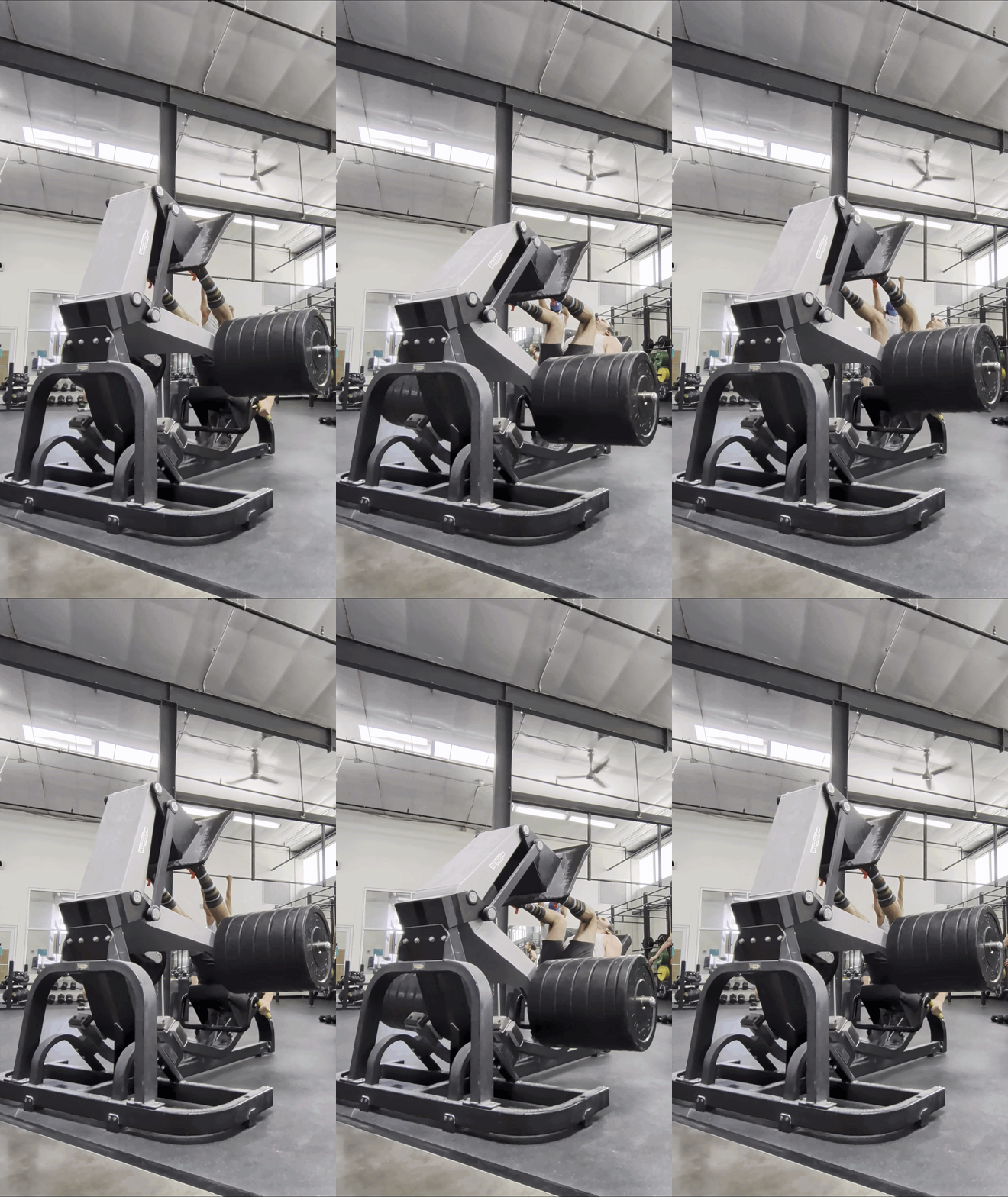
Leg Press
The leg press is an excellent exercise to isolate the lower body. If you are anything like me, back squats will tax your back and spine. Leg press is a good alternative when your back is feeling fatigued. You can typically load a lot more weight on a leg press than a back squat. Don’t forget to be explosive on these sets even at high weights.
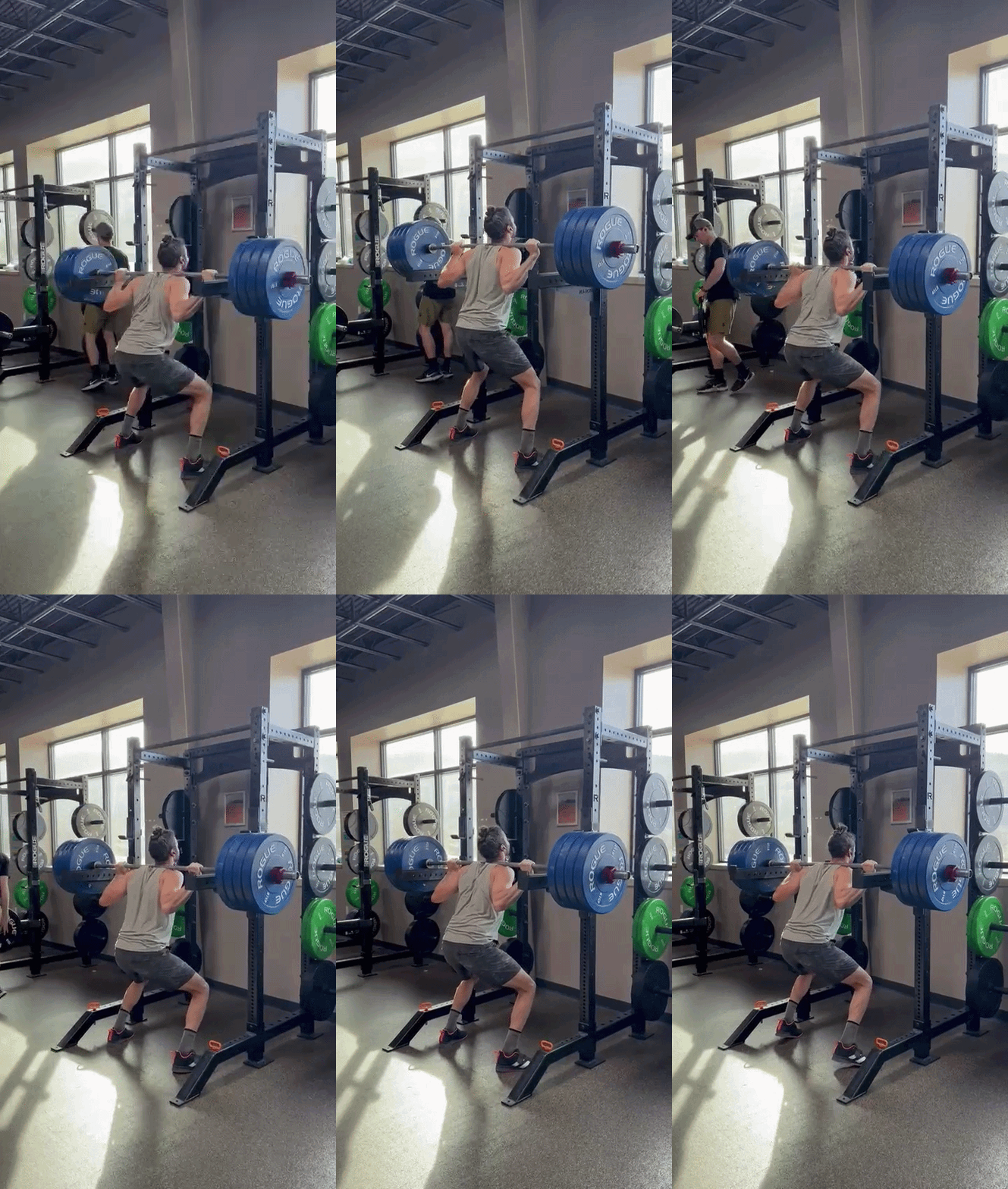
Quarter Squats
Prepare to get a lot of weird looks at the gym with these! The upper 25% of your squat is where you are the strongest and can generate the most jumping force. Let the spotter racks up really high (probably higher than you think) and explode up into the weight. This is a very applicable exercise that lets you use really high loads and develop a lot of power.
Training Routine
As a climber, it’s hard to fit everything into a training cycle. Heavy leg days aren’t typically part of the plan, let alone a priority. If you want to get stronger legs, it won’t come without some sacrifice. Recovering from these workouts can be incredibly taxing on your system and may negatively affect your climbing. Adequate rest and proper nutrition are crucial for any training routine to work. Less is often more, so don’t push too hard too fast. Prioritize intensity and form over volume and frequency.
Timing your leg day workouts within your training schedule is very important. It’s very common to feel weak and fatigued for 3-4 days after your workout. If you had a limit bouldering day 2 days after an intense leg workout, you might find yourself losing foot tension. My suggestion is to put your leg day as far away from a performance climbing day as possible. So if you want to send your project on Saturday, make your leg day on Monday. If you aren’t trying to perform on rock, you can do two days a week, but don’t let intensity drop!